If you’ve ever tried to convince a kid to clean their room or finish a math worksheet, you know it can feel like negotiating a high-stakes peace treaty with a toddler lawyer. You offer incentives, you try diplomatic reasoning, and yet… the socks remain on the floor, and the pencil stays untouched.
What if the secret to building self-motivated kids isn’t endless nagging, bribing with ice cream, or taking away screen time until 2042?
What if we could naturally tap into the brain’s built-in reward system, giving kids that delicious, natural dopamine hit, while secretly rewiring their neural pathways for lifelong self-motivation?
Enter the “3 G Method™” – Gratitude, Good at, and Goals!
These three simple habits work for toddlers, teenagers, and honestly, adults who also procrastinate on folding laundry. Here is how parents and teachers can use the 3 G’s to empower kids of any age.
Gratitude: The First G (The Dopamine Starter Pack)
Think about the sheer joy a kid experiences when they get a shiny new toy or a brand-new notebook. Their eyes light up, and they are genuinely grateful. That feeling is pure dopamine—the brain’s natural “feel-good” neurotransmitter. We can harvest that exact same brain power at home and in the classroom!
- At Home: When a child receives a new object, game, or privilege, help them pause and express genuine gratitude for it. Help them realize that it is not something every child gets and that they are blessed to have it. Help them think about homeless kids and all the things they don’t have like shelter, blankets, food, water and so much more.
- At School: Help students kick off the day or a tough project by identifying things about school they are Grateful for, like seeing their friends, enjoying art class, or having a supportive teacher. Gratitude can help them realize school isn’t so bad. They aren’t focused on the hard stuff or “rotten potatoes” as I call negative thoughts. When that’s what kids come with they start to think everything about school stinks.
Starting with Gratitude shifts the brain out of resistance mode and into a positive, receptive state.
Good At: The Second G (Self-Affirmation & Confidence)
Once a child feels grateful for what they have or where they are, the next logical step is learning how to care for it and notice how good they are at doing so. This is where self-affirmation kicks in.
- At Home: As kids learn to take care of their belongings, we teach them to recognize: “Hey, I am really Good at picking up my clothes, making my bed, brushing my teeth, eating my breakfast…etc.” Even if they aren’t great…tell them they are! “Reverse psychology” works! LOL!
- At School: When tackling a project, encourage students to give themselves credit for their strengths: “I am Good at getting my assignments done when I break them down step-by-step. I am Good at helping others. I am Good at sitting quietly in my desk (even if it’s only for 2 seconds, like it was with me when my ADHD brain would get distracted!)
When kids explicitly acknowledge what they are “Good at” things they build internal self-esteem rather than constantly relying on external validation. They stop waiting for adults to say “good job” because their brain is already celebrating their own competence.
Goals: The Third G (Closing the Loop & Winning)
Now comes the finish line. Gratitude opens the door, recognizing what they are Good at builds momentum, and setting a Goal completes the transformation.
- At Home: Let’s say you tell them to “clean up your room!” Big mistake! Too much, too overwhelming. That’s like telling us adults to clean the whole house! Start small saying something like, you are so good at picking up your toys how about starting with picking up your toys and putting them where they belong? (Hopefully they have set up their own place to put them so they feel some ownership.) Once that is done they say, great job with the toys, now how about picking up your clothes and putting them in the basket? They are getting ongoing brain rewiring and feel-good chemicals with each little task. Little kids need smaller tasks…maybe one toy at a time.
- At School: The goal is finishing that reading chapter or completing the assignment.
When they reach that goal, something magical happens: they give themselves credit for achieving it, and they feel deeply gratefu to be finished. The cycle closes, the brain gets another hit of positive reinforcement, and self-motivation becomes a habit! Most kids never learn this…neither do adults, so if you can give this reinforcement to kids then be sure to give it to yourself for making a difference in a child’s life!
The Neuroplasticity Magic: Why It Works for Everyone
This isn’t just a cute trick; it’s brain chemistry in action. By cycling through Gratitude → Good at → Goals, kids rewire their neural pathways. Instead of viewing tasks as painful chores, their brain begins to associate initiative and completion with intrinsic reward.
While outside praise from teachers and parents is always nice, the 3 G Method teaches kids how to generate their own positive reinforcement. That is the bedrock of true self-esteem and lifelong independence.
You CAN Transform Your Family or Classroom Today!
Ready to bring the 3 G Method into your home, classroom, or personal life?
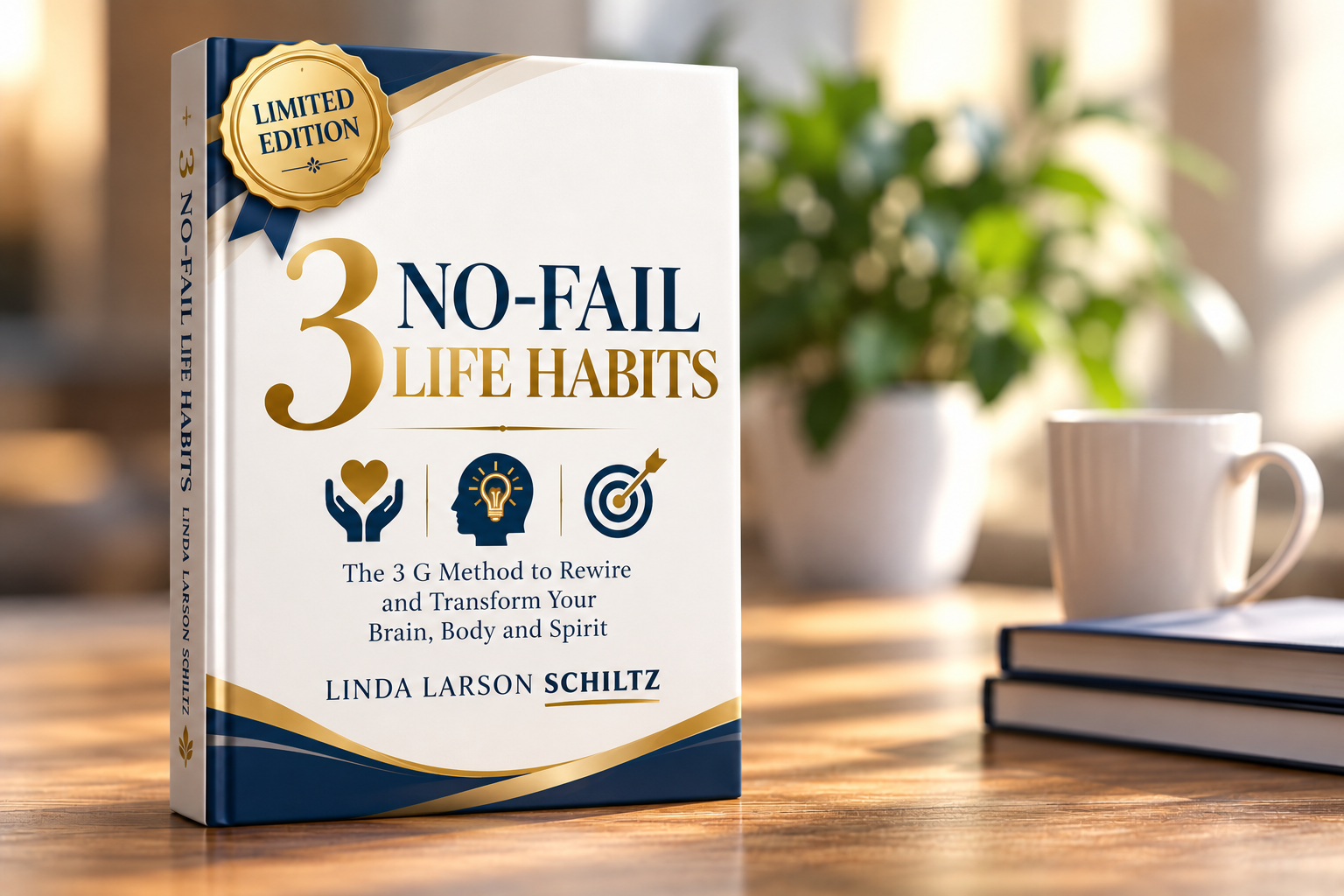
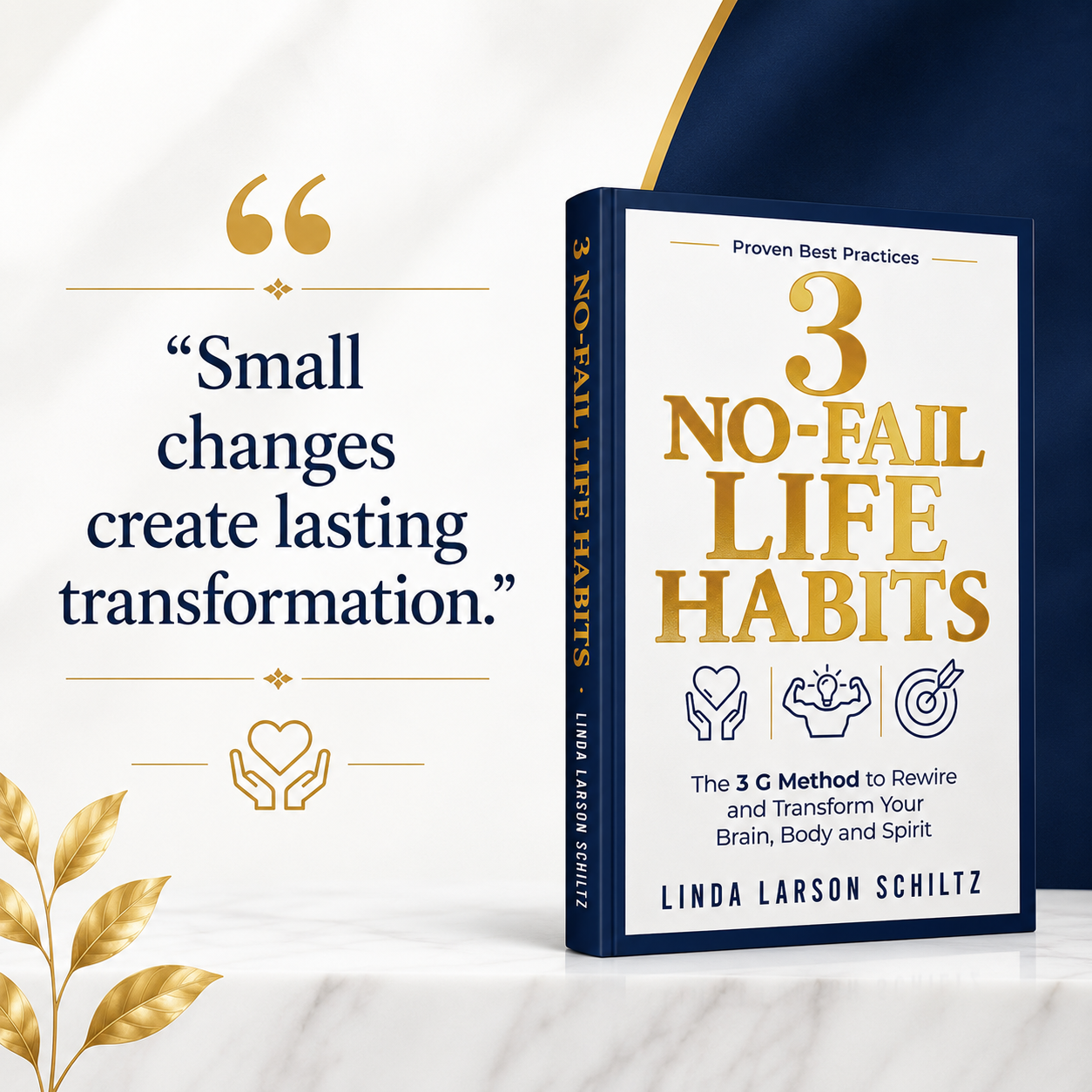
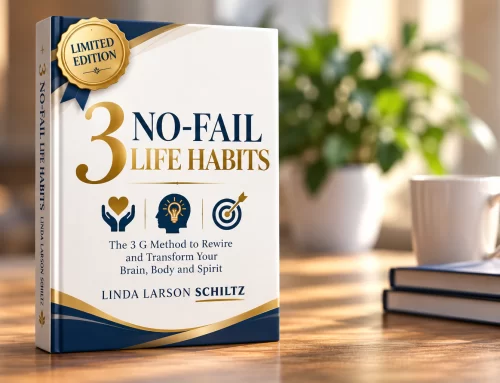
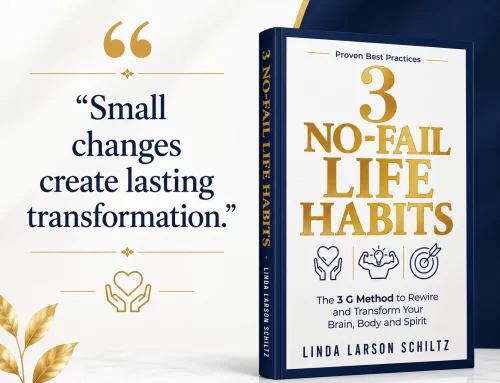
Check out my brand-new book: “3 No-Fail Life Habits: The 3 G Method to Rewire and Transform Your Brain, Body and Spirit”
It is packed with practical, scientific and proven best-practices that are also consistent with faith-centered strategies that will help you and the kids in your life break free from negative cycles and step into a joy-filled purposeful life. If you don’t believe this works check out one of my “Rescue Stories” of people I have helped over the years use the 3 G’s to change their lives.
RESCUE STORY #2 JULIE- The 3rd Grade Teacher
Julie was a young elementary school teacher who had not been in the profession for very long. She had always wanted to be a teacher, but had no idea the challenges she would face. When she came to me for counseling, she stated she would cry from Sunday all the way through until Monday when she had to drag herself to work nauseous and stressed.
She would have panic attacks, difficulty sleeping and eating, and was beginning to hate the job, primarily because of Johnny. He was defiant, rebellious, hyperactive, and negative, and he brought a toxicity to the classroom that permeated everything.
She had tried everything to manage his behavior, and she had to admit, she simply did not like this boy, and she felt very guilty and like a complete failure as a teacher.
I encouraged her to begin doing the three Gs for herself every day to gain confidence, and then I suggested she bring it to school. She did just that!
She started on Sunday saying things like “I am grateful I am a teacher and get to help children learn.
I am good at showing up and doing my best. Goal is to use the 3 G’s to stay positive and help the children learn it.”
She started every morning when the children had their morning circle time, she had them go around and share what they were grateful for, what they were good at, and what they wanted to get done that day.
Sometimes the children would get stuck and couldn’t think of what to say, so she encouraged the other children to offer some ideas to them when they got stuck. By the end of that first week, she came back to me astounded by the change it had made.
Some of these children had never heard anybody say they were good at anything, especially Johnny. But when the other children, and Johnny, started looking for the good in one another, and he heard them compliment him on things, he became the first one to tell another child what they were good at.
His leadership was negative in the past because that’s the way he got attention. She realized he had developed a “muddy rut of toxic waste self-talk” that she was able to help him reprogram through the 3G strategy. (More on the muddy rut analogy later.)
Sometimes our mind will tell us that negative attention is better than no attention. We probably noticed it when the kids were little. Clearly, positive attention is a much better way to develop self-efficacy, cooperation and motivation. The key is, if you want to get good at something, it has to be practiced over and over again.
I only worked with Julie for a couple of months, but by then Johnny was leading the children to the lunchroom and was one of the most positive students in her classroom because that’s the one thing he could do right is be a strong leader that other kids came to like and she realized she was a great teacher that could change lives in powerful ways.
If you found that helpful then check this out…
🔥 SPECIAL OFFER: My paperback is normally $17.99 and the Kindle for $5.99 but I will be having flash sales going on and off until Christmas! To catch a $5 off on both of them check them out on Amazon! The Kindle edition will be coming out this week on sale for just $0.99!
– Get your copy on 3 No Fail Habits Book
– For bonus content, support and book deal specials go to https://www.3nofaillifehabits.com
Related Posts


Linda is an award-winning Licensed Counselor and Certified NLP and CBT Life Coach specializing in addictions. She is a best-selling author, speaker and corporate trainer